Choosing a Sleep-Friendly Air Purifier for NYC Apartments: A Practical Guide
In the dense hush and hum of New York City, where every square foot is claimed and every night demands a gentler hush, air quality becomes a private luxury with public consequences. This guide examines how to choose a sleep-friendly air purifier that fits small bedrooms, preserves quiet, and sustains filtration efficiency without becoming a burden on your life or your energy bill.
The city’s apartments are a laboratory of micro-climates: cramped layouts, shared walls, and windows that do more to invite street sound than to admit fresh air. The right purifier does not merely cleanse the air; it becomes a companion for the hours of darkness, a device that respects your sleep while quietly doing its work. Below we consider technologies, room-size calculations, noise profiles, energy consumption, and living-with-others constraints—plus a practical setup playbook tailored for NYC living.
1) purifier technologies: what actually works in a bedroom
In bedrooms, three technologies most commonly appear: HEPA filtration, activated carbon filtration, and ionization. Each has strengths and trade-offs, especially when time for sleep is the priority.
HEPA filters: High-efficiency particulate air (HEPA) filtration captures 99.97% of particles as small as 0.3 microns. In a NYC bedroom, HEPA is the backbone for particulate control—dust, pollen, smoke particles, and even some bacteria and viruses. A true HEPA filter is often embedded within a sealed casing, reducing leakage and improving efficiency.
Activated carbon: Carbon filters excel at gaseous pollutants—odors, cooking smoke, volatile organic compounds (VOCs). In small apartments, cooking odors and scented products can accumulate; a purifier with a carbon stage helps, but be mindful that carbon filters must be replaced at intervals to avoid saturation and odor rebound.
Ionizers and other tech: Some units employ ionization or electrostatic precipitation to capture particles. These can be effective but may produce ozone or require careful placement and maintenance. In a sleep-focused setup, prefer models without ozone-emitting features or ensure ozone levels stay well below health guidelines.
For bedrooms, the most practical setup tends to be a purifier with a solid HEPA stage and a supplementary carbon filter, configured to run quietly overnight. In dense urban environments, the filtration burden is often heavier due to outdoor pollutants infiltrating through windows and shared walls; thus a purifier with a robust fan and a sealed design proves more reliable across seasons.
2) a practical checklist for NYC bedroom sizing and noise tolerance
Room size: Measure the room or the sleeping area; many purifiers are rated for room sizes in square feet. In a typical NYC bedroom (roughly 120–180 sq ft), you’ll want a purifier rated in the 200–350 sq ft range to maintain effective air changes without excessive noise.
Noise level: Check the manufacturer’s noise spec in decibels (dB). For a quiet night, look for a unit that operates around 20–35 dB on its lowest setting—a soft, whisper-like whoosh that doesn’t disrupt sleep.
Energy use: Purifiers consume varying wattage, especially during longer overnight runs. A model with energy-saving modes and auto-off timers can help manage NYC electricity costs.
Filter life and access: HEPA and carbon filters require periodic replacement. In apartment life, easy access to replacement parts and clear maintenance guidance are crucial to avoid letting performance lapse.
Placement constraints: In small rooms or narrow layouts, purifier placement matters. A purifier should be away from bedside walls, not directly on a nightstand, to optimize air intake and avoid noise amplification from obstructions.
A compact approach: choose a purifier with a compact footprint, high clean air delivery rate (CADR), and a true HEPA filter. NYC apartments often demand a balance between airflow and space; the right unit can fit neatly on a dresser or a small shelf and still perform reliably through the night.
3) best-practice setup tips for overnight efficiency and quiet operation
Placement: Place the purifier within the breathing zone, typically within 3–6 feet of the bed, but not directly on the bed. A shelf or console with unobstructed air intake is ideal.
Running schedule: For overnight purifiers, a steady low-speed setting usually provides continuous filtration without waking you. If you need to run on a timer, schedule a gentle start, not a sudden blast of air in the middle of the night.
Maintenance cadence: Establish a routine for filter checks and replacements. Mark the calendar for each filter’s expected life—HEPA more often than carbon in urban environments—and keep spare filters on hand to avoid gaps in performance.
Sealing and doors: While purifiers do most of their work internally, small gaps around doors and windows can reduce efficiency. A light draft blocker or door sweep can minimize outside air infiltration and extend purifier performance between filter changes.
In the city, the sleeper’s challenge is not just the air you breathe but the atmosphere surrounding it—the constant whisper of traffic, construction, and distant voices. A purifier chosen with care becomes a polite guest: present, effective, unobtrusive.
4) NYC constraints and how they shape choice
The city’s architecture means many bedrooms have limited cross-ventilation or shift air slowly, making mechanical filtration more impactful. Window positions—often with street-noise exposure—make a purifier’s ability to filter out smoke, cooking odors, or outdoor pollen particularly valuable. Shared walls increase indoor contaminants; this makes a purifier with robust filtration and a decently sized CADR essential to maintain air freshness even with lower outdoor pollutant loads at different times of day.
Financial constraints also matter. Filtration components, replacement filters, and energy usage accumulate. The budget conscious reader may favor longer-life carbon and HEPA cartridges or units with a simple, non-multistage design that minimizes ongoing costs while delivering reliable purification.
5) a curated starter list: model considerations and how they fit NYC living
Below are distilled considerations drawn from mainstream options and urban-user feedback. Acknowledging your apartment context, these picks are framed for stealthy operation, efficient filtration, and reasonable price-to-performance value. Note: the following discussion uses examples and hypothetical scenarios to illustrate how one might weigh features in practice.
Tall, compact purifiers with true HEPA: Fit in narrow desks or shelves and provide quiet operation. Look for CADR ratings that align with room size and a low-noise setting around 20–35 dB.
Purifiers with dual filtration layers: A HEPA plus carbon combo is advantageous for NYC’s odors and VOCs from cooking and urban air. Confirm replacement intervals; longer-lived carbon can save maintenance time.
Models with user-friendly maintenance: Easy filter changes, clear indicators, and accessible spare parts reduce the likelihood of neglect, preserving sleep-friendly air quality.
For a practical shopping approach, prioritize: 1) dedicated night-time mode with low noise, 2) a filter life that matches your ability to perform maintenance, and 3) a form factor that complies with your room’s geometry and won’t crowd your bedside area.
6) three key individuals from different time periods shaping the conversation around air, sleep, and urban life
People across time have drawn a line from air to rest, showing how the air we breathe intertwines with the rhythms of daily life. Three figures—each from distinct historical moments—offer a lens through which to understand this topic:
Hypatia of Alexandria (late 4th–5th century): A thinker who embodies the long arc of inquiry and the pursuit of knowledge in the face of cultural upheaval. Her spirit—measured, precise, and relentlessly curious—mirrors a modern reader’s approach to air quality: study the science, understand the variables, and seek observable improvement in daily life, even within imperfect surroundings.
John Snow (1813–1858): The physician who traced the source of a cholera outbreak by looking at data and mapping it to an environmental context. Snow’s method—empirical, data-driven, and unafraid to challenge conventional wisdom—resonates with the purist, device-minded approach to air purification: measure, analyze, and tailor your environment to health outcomes, not fashion alone.
Marie Curie (1867–1934): Pioneer of radiological science whose disciplined technique and focus on invisible phenomena illuminate how modern life treats the unseen: radioactivity then; today, micro-particles and molecular pollutants. Curie’s dedication to careful measurement and fearless experimentation informs the contemporary quest for sleep-friendly environments where unseen particles are managed by design and discipline.
These figures remind us that the work of improving sleep through cleaner air is both ancient in its impulse and modern in its tools. The city—its apartments, its alleys, its relentless tempo—demands a patient, evidence-based approach to purification, much like the pioneers who learned to see what the naked eye cannot.
7) a concrete path forward
If you’re preparing to purchase or upgrade, begin with a simple, repeatable decision framework: identify room size, set a noise target, choose a HEPA-centric model with an integrated carbon stage, verify energy use, and confirm filter maintenance cadence. In NYC, your choice becomes an act of daily self-care, a device that yields more quietly than it takes from your pride of space.
To wrap this piece with a tactile note, consider introducing a compatible bedside accessory like the Loft 3-Drawer Nightstand by Vermont Furniture Designs. While not a purifier, the Loft nightstand offers a clean, ergonomic surface and organized storage that helps keep your sleep zone orderly—a quiet complement to a sleep-optimized air purifier.
Loft 3-Drawer Nightstand
Solid Vermont-made hardwood nightstand with three drawers and customizable finishes. A timeless complement to a sleep-focused bedroom setup.
Conclusion: breathe well, sleep soundly, live fully
The right air purifier in a New York City bedroom is less about a gadget and more about a disciplined approach to your sleep environment. It’s a modest investment in daily well-being that compounds nightly into clearer mornings, calmer evenings, and a home that feels more like a sanctuary than a corridor of noise. In a city of constant motion, the quiet, clean air you curate at night becomes your most faithful companion.
As you begin exploring options, visualize your room as a tailor-made micro-climate: compact, efficient, and ready for a restful night. The purifier becomes part of a holistic ensemble—alongside careful lighting, color choices that soothe, and a few well-chosen furniture pieces such as the Loft 3-Drawer Nightstand—designed to reinforce a sleep-first habit in the heart of the city.
Feel the warmth of solid wood and Vermont craftsmanship, delivering sturdy, lasting bedside storage with three easy-glide drawers. Sleek lines fit any style, while compact depth keeps your space organized and peaceful.
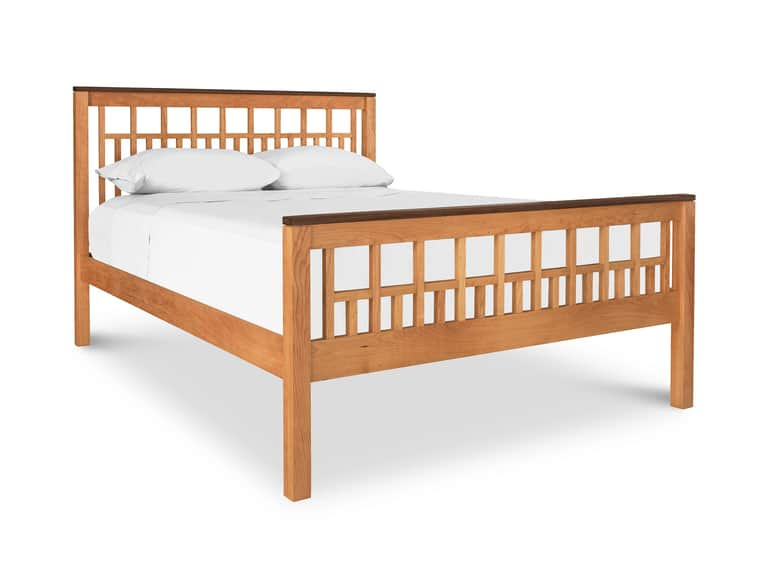
Enjoy lasting beauty and solid feel with a timeless solid hardwood bed. Eco-friendly oil and wax finish, customizable in cherry, maple, or walnut, and built to endure generations in your modern bedroom. Easy care, timeless appeal.
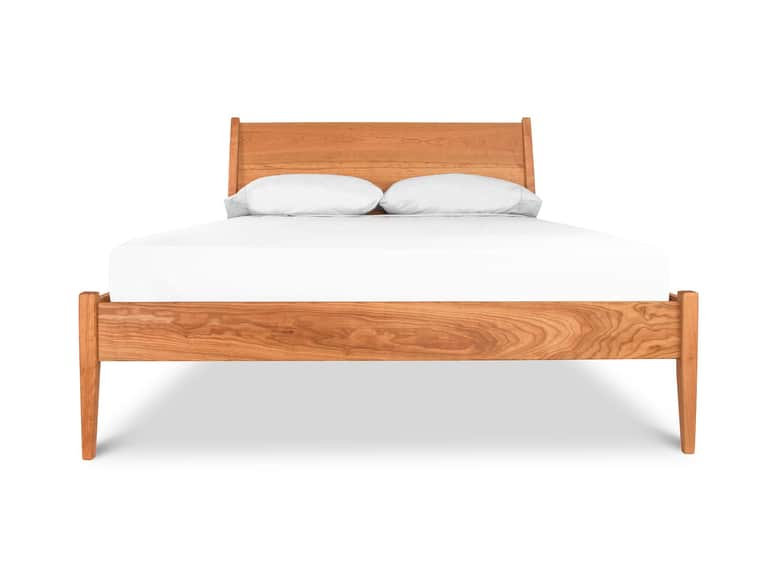
Sleep easier with solid wood strength and a 10% inclined headboard for ergonomic neck and back support—no box spring needed, just a timeless, durable platform bed that fits modern rooms and lasts for generations.