Creating Calm: NYC Bedroom Design Trends for Small Spaces
In the heart of New York City, where space is a precious luxury, the bedroom becomes a sanctuary. This guide blends urban sensibility with serene aesthetics, offering scalable decor strategies, color choreography, and storage elegance that transform compact rooms into retreats worthy of a couture routine.
A City-Laid Anatomy: How to Think Small, Live Large
NYC bedrooms demand a design logic that respects constraints while amplifying mood. The aim is not merely to fit furniture into a room, but to curate a rhythm—a sequence of textures, light, and quiet that slows the pace of city life. Start with a floor plan that breathes: an unobstructed pathway around the bed, a line of sight that leads to a window or a focal textile, and a color story that soothes without stagnation. In small spaces, every inch should earn its place, and every choice should sing with intention.
The modern urban bedroom is less about dominance of scale and more about the finesse of restraint. It is a place where high-end materials meet compact silhouettes, where doors glide instead of swing, and where lighting layers create day-to-night drama. The goal is a sanctuary that feels curated, not cramped; luxurious, even when compact; and endlessly adaptable to the rhythms of a bustling metropolis.
Layout Alchemy: Small-Space Strategies that Work
The bed remains the heart of any bedroom, but in NYC apartments it often needs to perform as more than a place to sleep. A platform bed with built-in storage or a headboard that houses slim shelving can tuck away a winter wardrobe, seasonal blankets, or a collection of bedside favorites. Consider a low-profile frame to keep the ceiling feeling expansive; the eye travels upward, and the room appears taller.
Floating nightstands or wall-mounted sconces free precious surface area for a delicate arrangement of books, a plant, or a candle. When possible, position the bed away from the door to cultivate a soft, cocoon-like enclosure. If window light is a daily ritual, ensure there is a quiet, controllable view through layered drapery that can be drawn to soften morning glare without sacrificing daylight warmth.
Under-bed storage is not a compromise but a design tool. Shallow drawers that glide smoothly or a storage ottoman at the foot of the bed can hold off-season textiles or shoes, keeping the space uncluttered while preserving the room’s visual calm. In very small rooms, vertical storage becomes essential: tall, slender shelving, wall-mounted organizers, and a gallery of textiles—throws, scarves, or fabrics—that can be rotated to refresh the mood without buying new pieces.
Multi-functional furniture is an elegant workaround. A desk that tucks away behind a foldaway door, a seating bench that doubles as a storage chest, or a mirror that offers both reflection and depth—all are strategies to maximize utility without sacrificing style.
Color as Calm: Palettes that Soothe and Subtly Elevate
In a small NYC bedroom, color works as architecture: it defines mood, frames light, and anchors texture. Begin with a soft, neutral base—cream, oyster, dove, or warm greige—that reflects city light at all times of day. Add depth with layered textiles in slightly probabilistic hues: a muted sage, a blush rose, or a blue-gray that reads chic without shouting. The objective is not monochrome minimalism but controlled richness: color that feels intimate, not loud.
Textures carry color as much as pigment does. A linen duvet cover in a pale stone or a velvet pillow in a deeper taupe can introduce dimension without visually crowding the space. Metallic accents—antiqued brass, antique copper, or brushed nickel—offer subtle flashes that wake up a monochromatic scheme. In the city, the best color strategy embraces warmth: warm neutrals, sun-washed surfaces, and soft reflections that invite the eye to linger.
Layered Lighting: The City’s Quiet, Reimagined
Light is the most intimate accessory a bedroom can wear. In a small space, layering is everything. Start with a dimmable ceiling fixture that provides a gentle wash, then add task lighting at bedside levels that is both functional and sculptural. Consider wall sconces that free the nightstands while casting a warm, flattering glow for morning routines and evening rituals alike.
A pair of table lamps with soft fabric shades can frame the bed and soften sharp architectural lines. Integrate ambient lighting with hidden LED strips along the underside of shelves or behind a headboard to create a halo that adds depth without consuming space. For NYC nights, decisive lighting that can shift from bright focus to candle-like ambiance transforms a bedroom into a stage for slow living.
Sound and Sleep: Quietude in the Concrete Jungle
The city’s soundscape is a constant companion, yet a bedroom can be crafted as a sanctuary against it. Heavy drapery, layered rugs, and wall textiles serve as acoustic buffers that soften street noise and city clamor. A plush rug underfoot can dampen day-to-night footfall and invite barefoot luxury. Textiles with density—woven wool, bouclé, or felt—act as natural sound absorbers, enriching the room’s acoustics and sense of calm.
Consider a soft color palette with matte finishes that minimize glare, reducing morning sensory overload. A carefully chosen window treatment—woven wood blinds paired with blackout drapery—can optimize light control while preserving the room’s tactile warmth. The result is a space that feels grounded and secure, a pause button in the middle of a cybernetic city.
Materials that Whisper: Natural Luxuries in Small Rooms
The textures you choose will carry more weight than the color itself in a compact space. Natural fibers—Egyptian cotton sheets, linen duvets, and wool or cashmere throws—bring airiness and a tactile richness that makes the room feel expansive. Wood surfaces with a soft satin finish, stone accents with warm veining, and fabric-covered panels add an organic layer that anchors the aesthetic in a world of urban interruptions.
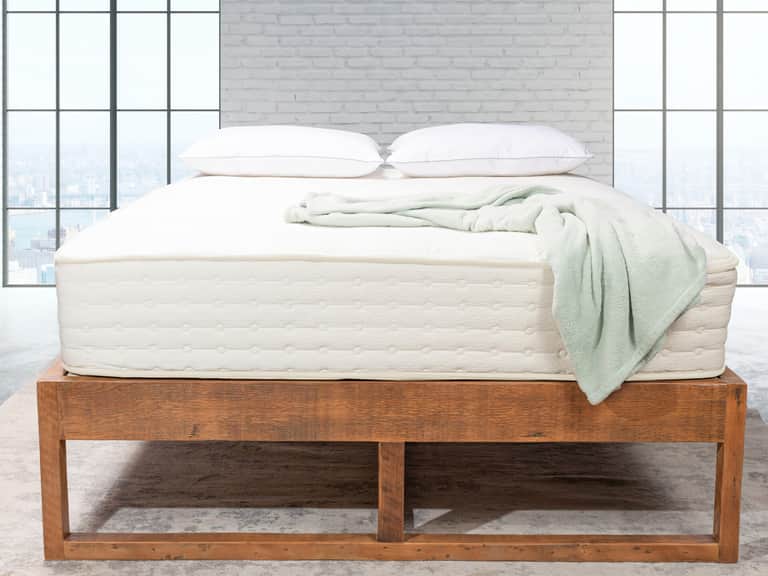
Consider sustainable, locally sourced materials when possible. The city rewards materials that age gracefully and gain character with use. A reclaimed-wood bed frame or a hand-woven rug not only elevates the space but also tells a story—one that resonates with a conscious, modern audience seeking meaning in their interiors.
Three design minds, across time: how history informs a modern calm
Elsie de Wolfe (1865–1950)
The earliest modern interior decorator, de Wolfe introduced a lightness of touch to interiors that celebrated comfort, color, and human scale. Her philosophy favored gentle palettes, curating warmth over aristocratic stiffness. In a NYC bedroom, her influence translates to a serene canvas—soft neutrals, linen textures, and a sense of invitation that makes a small room feel like a spa rather than a showroom.
Le Corbusier (1887–1965)
A pillar of modernist design, Le Corbusier championed clarity, proportion, and functional quiet. In the intimate realm of the bedroom, his ideas encourage streamlined forms, minimal ornament, and a disciplined palette that highlights texture and light. His ethos of “architecture of happiness” subtly nods to the way layout and material choice can shape mood, creating a calm vantage point within the city’s relentless motion.
Jonathan Adler (b. 1966)
A contemporary advocate for glamour and playfulness, Adler reframes luxury with wit and color. In a small NYC bedroom, his influence appears as a refined balance of chic texture, metallic accents, and well-placed personality—where comfort meets expression, and boldness sits comfortably within scale.
Product Spotlight: The Clean Bedroom Manhattan Goose Down Comforter
In a city that never stops, you deserve a duvet that is as quiet as it is luxurious. The Clean Bedroom Manhattan Goose Down Comforter embodies the essence of calm warmth. Crafted with Large Cluster Hungarian White Goose Down and enclosed in a soft TENCEL Lyocell shell, this comforter balances superior loft with breathable comfort. It is feather-light yet cocooning, perfect for layering on a bed that doubles as a sanctuary.
Fill: 95% Large Cluster Hungarian White Goose Down, 850 fill power
Weights: Winter, Year-Round, and Summer options; Winter features a 2" gusset for maximum loft
Care: Double-stitched piping for durability; pair with Manhattan Down Pillow for a complete ensemble
Color: Champagne cover for a modern, luxurious look
The Manhattan Goose Down Comforter embodies a refined approach to warmth—airy yet substantial, sophisticated yet approachable. It fits perfectly into a small NYC bedroom by delivering warmth without bulk, ensuring the bed remains the room’s focal point rather than a visual weight. Whether layered with a lighter blanket for spring nights or tucked under a heavy quilt in winter, it maintains an elegant silhouette.
Price: $1350.00. This piece is an anchor for a sleep-centered strategy that values texture, comfort, and premium materials—a hallmark of a Vogue-grade, urban-luxe bedroom.
DIY Refresh: Quick, Chic Ideas to Elevate a Small NYC Bedroom
A refreshing update can be achieved without a full renovation. Here are editorial-grade ideas you can implement in a weekend:
Refresh textiles: swap in breathable linens, a velvet accent pillow, and a soft throw in a color that complements your base palette.
Layer light: add a warm glow with two bedside lamps and a hidden LED strip behind a headboard or floating shelf.
Reframe the bed: if possible, install a simple headboard in a neutral hue to anchor the room, then accessorize with a curated reading nook at the foot of the bed.
Strategic storage: integrate under-bed drawers and vertical shelving to clear surfaces, enabling a more tranquil atmosphere.
Soundproofing touches: heavy curtains, a thick rug, and wall textiles that absorb sound can dramatically soften the city’s hum.
With a few well-chosen moves, a small NYC room can become a showcase of calm—an intimate stage where texture, light, and color collaborate to curate a signature mood.
A Final Edit: How to Maintain Calm Over Time
Consistency matters as seasons change and life evolves. Maintain a modular approach: select foundational pieces in neutral tones that can be refreshed with seasonal textiles, artwork, or accessories. Rotate accents to prevent visual fatigue and keep the room feeling intentional rather than stagnant. In a city that moves quickly, a bedroom that remains steady under changing trends is the ultimate form of luxury.
Regularly evaluate clutter and storage capacity. If the space begins to feel crowded, revisit layouts and consider increasing vertical storage or shedding non-essential items. The best democratic rule of small-space aesthetics: fewer, better things, each with a story and a purpose.
Experience the ultimate in comfort with our Manhattan Goose Down Comforter. Its lightweight, breathable design ensures a cozy sleep, while the soft TENCEL® cover feels luxurious against your skin. Choose your ideal weight for year-round bliss!
Transform your sleep experience with the Taconic bed, designed for ultimate comfort and style. Handcrafted from reclaimed wood, it’s eco-friendly and fits seamlessly into any decor. Enjoy solid support and airflow for your mattress, ensuring lasting health and comfort.
Experience unparalleled comfort with the Manhattan Down Pillow, designed to cradle your head and neck for a restful night's sleep. Its luxurious Hungarian goose down provides cozy support, while the soft cotton cover ensures a gentle touch against your skin. Sleep better tonight!